
Exploring human metabolism in situ
Understanding the biology of human cells while they reside in their natural environment—the tissues—is challenging. Ethical and experimental boundaries constrain our ability to access and examine cells within living human organs. As a result, much of what we know about human biology and disease is derived from in vitro studies or animal systems. This is also true of research into cancer and cellular metabolism.
Efforts to understand human cellular metabolism in situ face several technical and logistical barriers, including the need to infuse metabolic tracers such as carbon-13-labelled glucose. These tools allow us to trace the flow of ‘heavy’ atoms throughout the metabolome by mass spectrometry, providing insight into nutrient utilisation and the metabolic activity of distinct pathways.
Investigating cellular metabolism in vivo therefore requires infusing metabolic tracers into living organisms. In humans, routine use of these tracers remains limited. In our lab, we are exploring innovative ways to study cancer metabolism in humans, including the infusion of carbon-13 isotopologues into patients.
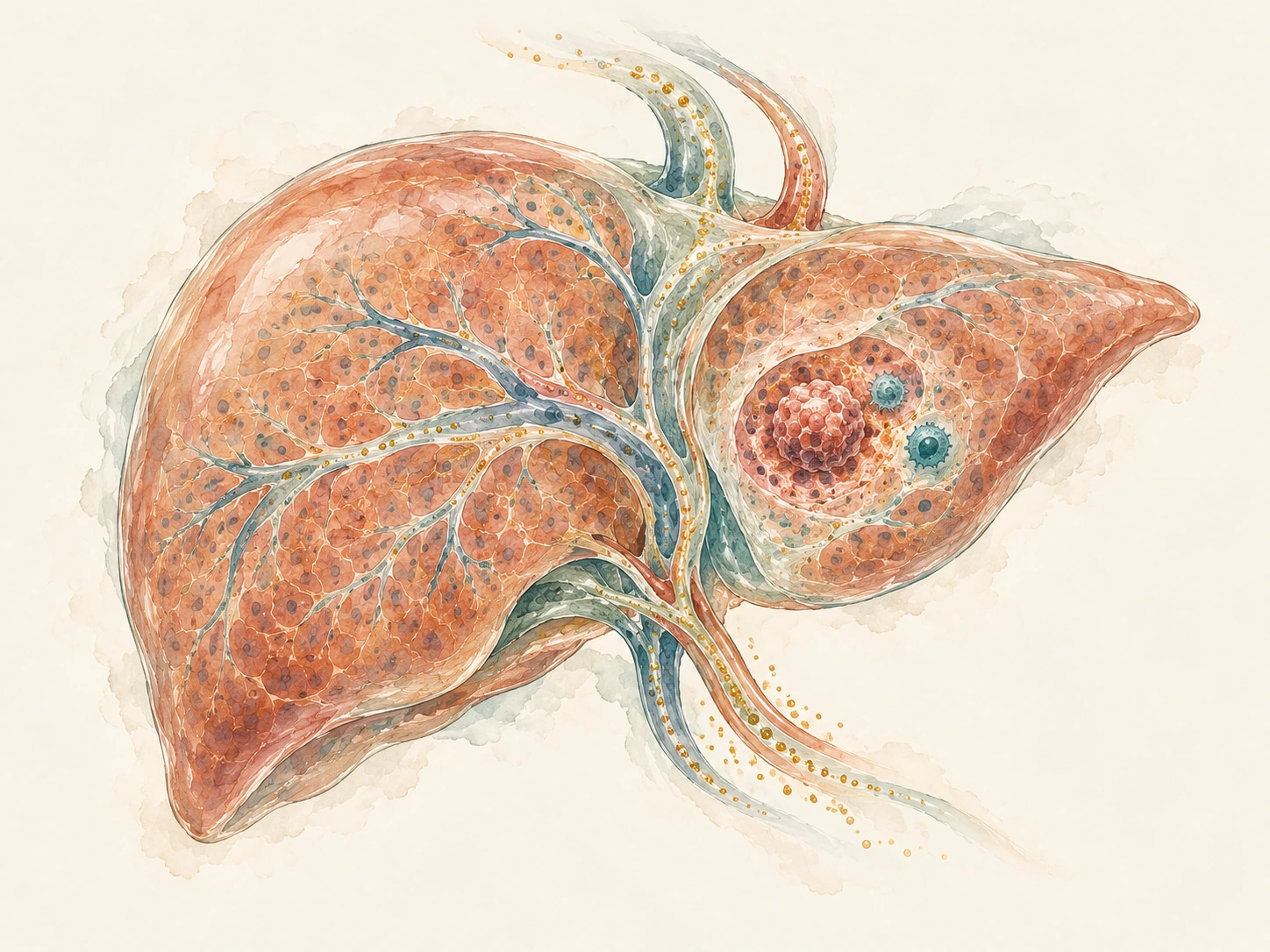
In another approach, in close partnership with Dr. Zeeshan Akhtar, we have developed methods to keep intact, tumour-bearing organs alive outside the body. This system allows us to access, perturb, and investigate the biology and metabolism of cancer and immune cells while they remain within their native environment—the tumour.